

CD80 Polyclonal Antibody
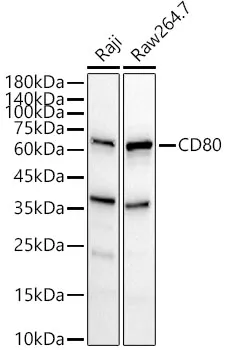
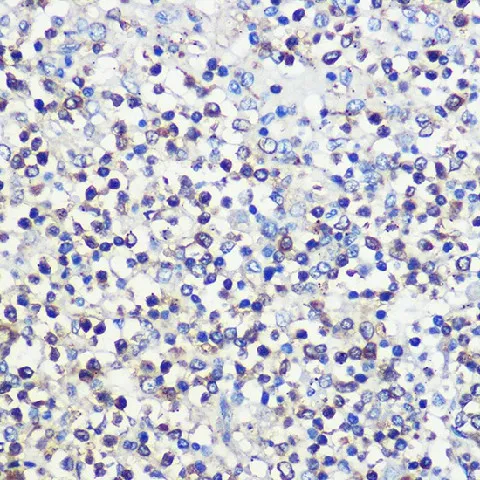
UniProtKB · P33681
CD80_HUMAN · Homo sapiens
- Primary accession
- P33681
- Review status
- UniProtKB reviewed (Swiss-Prot)
- Gene
- CD80
- Protein existence
- 1: Evidence at protein level
- Organism
- Homo sapiens (Human)
- Taxonomy ID
- 9606
- Alternative names
- —
- EC number
- —
- Processing
- Precursor
- Secondary accessions
- Q5DTA9, Q5DTB0
Technical term
Coding sequence diversity
Cellular component
PTM
Molecular function
Biological process
Domain
Related Products
Alternative Products
Popular Products

Mycoplasma Elimination Cocktail
SKU: MBS8580112-01|Size: 2x 1 mL
PNT1A Cell Line
SKU: RWT-446|Size: 1x 10^6
Human PNT2 Cell Line
SKU: ABI-TC001D|Size: 1 Vial
PNT2001
SKU: T207595-01|Size: 10 mg
Mycoplasma hyorhines
SKU: PCR-M410-01|Size: PCR-M410-48D
Mycoplasma Rapid Test Kit
SKU: VMD65|Size: 25 Tests
Microalbuminuria (MA) Rapid Test Kit
SKU: abx092226-01|Size: 100 Tests
SAFENSURE™ Mycoplasma Rapid Detection Kit (qPCR)
SKU: OPA-S102-50tests|Size: 50 Tests
MycoLytix Mycopalsma Treatment Elimination Solution 1000x
SKU: 113015|Size: 25 mL
LGB Antibody, FITC conjugated
SKU: CSB-PA00280G0Rb-01|Size: 50 µg
Mycoplasma Elimination Cocktail
SKU: E36G398|Size: 2x 1.0 mL
Mycoplasma clearance kit
SKU: E28XB0112|Size: 1 Kit
Mycoplasma Cynos PCR kit
SKU: PCR-V739-48D|Size: 48T
Mycoplasma Elimination Cocktail
SKU: MBS8580112-01|Size: 2x 1 mL
Mycoplasma (Mycoplasma) Chicken ELISA Kit
SKU: 90367|Size: 96 Tests
PCR Detection Kit for Mycoplasma Conjunctivae
SKU: PC3760-01|Size: 20 Tests
Mycoplasma Colorimetric LAMP Assay Kit
SKU: CA1086-01|Size: 25 Tests
Mesomycoplasma conjunctivae Probe-based qPCR Kit
SKU: MK1F353-01|Size: 48 Test
ViPrimePLUS Mycoplasma conjunctivae qPCR Test Kit
SKU: VECM021|Size: 1 Kit
ViPrimePLUS Mycoplasma conjunctivae qPCR Test Kit
SKU: VICM012|Size: 1 Kit