Products for Research Use Only

Anti-PPAR alpha Antibody
CAT: 0519-A00600Size: 100 µgDry Ice: YesHazardous: No
Product image 1Product image 2
1 / 2
CAT#:0519-A00600Size:100 µg
Selected
24/48H Stock Items & 2 to 6 Weeks non Stock Items.
Quick Request Actions
Background
Since their discovery in the early 1990's, the peroxisome proliferator activated receptors (PPARs) have attracted significant attention. This is primarily because PPARs serve as receptors for two very important classes of drugs: the hypolipidemic fibrates and the insulin sensitizing thiazolidinediones. Peroxisome proliferators are non-genotoxic carcinogens that are purported to exert their effect on cells through their interaction with members of the nuclear hormone receptor family termed PPARs. Nuclear hormone receptors are ligand-dependent intracellular proteins that stimulate transcription of specific genes by binding to specific DNA sequences following activation by the appropriate ligand. Upon binding fatty acids or hypolipidemic drugs, PPARs form heterodimers with retinoid X receptors (RXRs) and these heterodimers regulate the expression of target genes. There are 3 known subtypes of PPARs: PPAR-alpha, PPAR-delta and PPAR-gamma. Mostly target genes are involved in the catabolism of fatty acids. Conversely, PPAR-gamma is activated by peroxisome proliferators such as prostaglandins, leukotrienes and Anti diabetic thiazolidinediones and affects the expression of genes involved in the storage of the fatty acids. PPAR-gamma may also be involved in adipocyte differentiation. It has also been shown that PPARs can induce transcription of acyl coenzyme A oxidase and cytochrome P450 through interaction with specific response elements. Anti-Ppar Antibody is useful for research interested in transcription and metabolic pathways.
Description
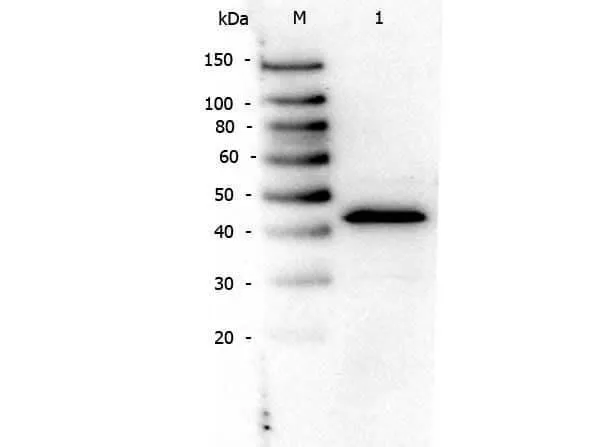
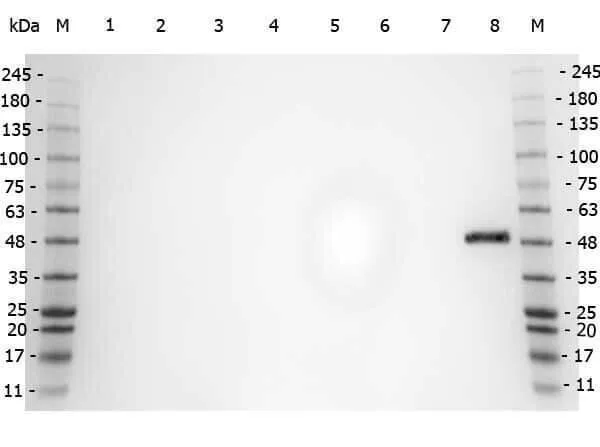
Boster Bio Anti-PPAR alpha Antibody (Catalog # A00600) . Tested in ELISA, IF, IHC, WB applications. This antibody reacts with Human, Mouse.
Synonyms
Ppar alpha, Pparα, Peroxisome proliferator-activated receptor alpha, PPAR-alpha, Nuclear receptor subfamily 1 group C member 1, Ppar-a, Nr1c1, Ppar
Gene Name
PPARA
UniProt
P23204
Host
Rabbit
Reactivity
Human, Mouse
Cross Reactivity
No cross reactivity with other proteins.
Immunogen
PPAR alpha Antibody was prepared from whole rabbit serum produced by repeated immunizations with a synthetic peptide corresponding to a N-Terminal region near amino acids 1-25 of mouse PPAR alpha.
Clonality
Polyclonal
Tissue Specificity
Highly expressed in liver, kidney and heart. Very weakly expressed in brain and testis.
Applications
ELISA, Flow Cytometry, IHC, IF, WB
Field of Research
Atherosclerosis, Cancer, Cardiovascular, Co-Activators/Co-Repressors, Diabetes, Diabetes-associated, Epigenetics and Nuclear Signaling, Fatty Acid Oxidation, Fatty Acids, Heart Disease, Lipid and Lipoprotein Metabolism, Lipids/Lipoproteins, Metabolic Signaling Pathways, Metabolism, Mitochondrial Metabolism, Nuclear Receptors, Nuclear Signaling Pathways, Nucleotide Metabolism, Obesity, Pathways and Processes, Redox Metabolism, Transcription
Purification
Anti-PPAR alpha Antibody is directed against mouse PPAR alpha protein. The product was affinity purified from monospecific antiserum by immunoaffinity purification. A BLAST analysis was used to suggest reactivity with this protein from mouse, rat, bovine, dog, golden hamster and boar sources based on 100% homology for the immunogen sequence. Cross-reactivity with PPAR alpha protein from human, chimpanzee and rhesus monkey may also occur as this sequence shows 88% homology (16/18 identities) with the protein from these sources. Cross-reactivity with PPAR alpha homologues from other sources has not been determined. No reactivity is expected against other subtypes of PPAR.
Concentration
1.0 mg/mL by UV absorbance at 280 nm
Form
Liquid (sterile filtered)
Function
Ligand-activated transcription factor. Key regulator of lipid metabolism. Activated by the endogenous ligand 1-palmitoyl- 2-oleoyl-sn-glycerol-3-phosphocholine (16:0/18:1-GPC) . Activated by oleylethanolamide, a naturally occurring lipid that regulates satiety. Receptor for peroxisome proliferators such as hypolipidemic drugs and fatty acids. Regulates the peroxisomal beta-oxidation pathway of fatty acids. Functions as transcription activator for the ACOX1 and P450 genes. Transactivation activity requires heterodimerization with RXRA and is antagonized by NR2C2. May be required for the propagation of clock information to metabolic pathways regulated by PER2.
Shipping Conditions
Dry Ice Shipping
Storage Conditions
Store vial at -20°C prior to opening. Aliquot contents and freeze at -20°C or below for extended storage. Avoid cycles of freezing and thawing. Centrifuge product if not completely clear after standing at room temperature. This product is stable for several weeks at 4°C as an undiluted liquid. Dilute only prior to immediate use. Expiration date is one (1) year from date of opening.
Observed Molecular Weight
52347 MW
Gene Name Synonym
Peroxisome proliferator-activated receptor alpha
Subcellular Location
Nucleus.
Prediction Reactivity
Boar, Bovine, Canine, Golden Hamster
Isotype
IgG
Contents
0.02 M Potassium Phosphate, 0.15 M Sodium Chloride, pH 7.2, 0.01% (w/v) Sodium Azide

UniProtKB · P23204

Peroxisome proliferator-activated receptor alpha

PPARA_MOUSE · Mus musculus

View on UniProt ↗
Primary accession
P23204
Review status
UniProtKB reviewed (Swiss-Prot)
Gene
Ppara
Protein existence
1: Evidence at protein level
Organism
Mus musculus (Mouse)
Taxonomy ID
10090
Alternative names
PPAR-alpha
EC number
—
Processing
—
Secondary accessions
—
Protein keywords

Molecular function

ActivatorDNA-bindingReceptor

Biological process

Biological rhythmsTranscriptionTranscription regulation

Ligand

Lipid-bindingMetal-bindingZinc

Cellular component

Nucleus

Technical term

Reference proteome

PTM

Ubl conjugation

Domain

Zinc-finger