

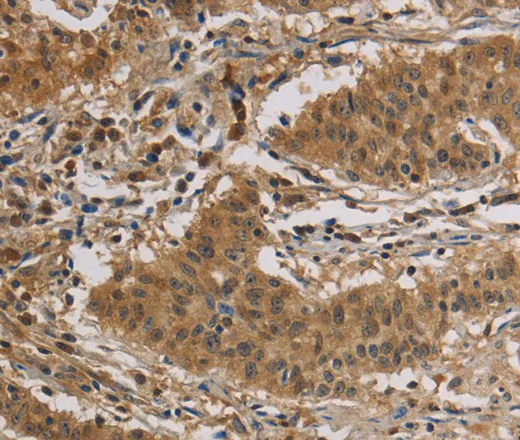
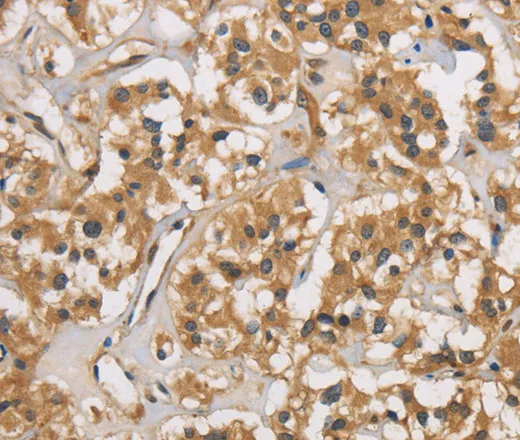
CASP3 Polyclonal Antibody
Related Products
Alternative Products
Popular Products

OmniLyse® Cell & Tissue Lysis Combo : OmniLyse® Cell & Tissue Lysis Kit , 0.5mL Tubes and OmniLyse® Cell & Tissue Lysis Kit with 2.0 mL Tubes
SKU: 01.545.48|Size: 24 Preparations
Magnetic Beads
SKU: TRI-C86M05L|Size: 1000mL
Tau dGAE (297-391) Pre-formed Fibrils
SKU: SPR-461E|Size: 5x 100 µg
PF-5177624
SKU: GTR19208485-01|Size: 25 mg
Mouse Adipsin ELISA Kit
SKU: GTR18822171|Size: 96 Tests
3T3-L1 Cell Lines Complete Growth Medium 500ML
SKU: I3T3L1CLCGM500ML|Size: 500 mL
3T3 L1
SKU: ABC-TC0011|Size: 1 Vial
ELISA Grade Human Type I Collagen, 0.5 mg/ml x 1ml, with 10X Buffer
SKU: 1005|Size: 0.5 mg/mL x 1 mL
ELISA Grade Rat Type II Collagen, 0.5 mg/ml x 1ml, with 10X Buffer
SKU: 2014|Size: 0.5 mg/mL x 1 mL
Immunization Grade Human Type III Collagen, 1 mg, lyophilized
SKU: 1305|Size: 1 mg
OmniLyse® Cell Lysis Kit
SKU: 01.340.48|Size: 48 Preparations
OmniLyse® Cell & Tissue Lysis Combo : OmniLyse® Cell & Tissue Lysis Kit , 0.5mL Tubes and OmniLyse® Cell & Tissue Lysis Kit with 2.0 mL Tubes
SKU: 01.545.48|Size: 24 Preparations
Wireless OmniLyse®Cell & Tissue Lysis Kit , 0.5 mL Tubes
SKU: 01.660.48|Size: 48 Preparations
HisExpress™ with OmniLyse® HL
SKU: 01.365.48|Size: 48 Preparations
OmniLyse®Cell Lysis Combo: OmniLyse® STD Cell Lysis Kit + OmniLyse®HL, Cell Lysis Kit
SKU: 01.345.48|Size: 24 Preparations
Wireless OmniLyse®Cell & Tissue Lysis Kit with 2mL Tubes
SKU: 01.650.48|Size: 48 Preparations
Wireless OmniLyse® Cell & Tissue Lysis Combo: Wireless OmniLyse®Cell & Tissue Lysis Kit , 0.5 mL Tubes +Wireless OmniLyse®Cell & Tissue Lysis Kit , 2mL Tubes
SKU: 01.675.48|Size: 24 Preparations
OmniLyse® Cell & Tissue Lysis Kit including lysing beads with 2.0 mLTubes
SKU: 01.522.48|Size: 48 Preparations
HisExpress™ with OmniLyse® HL
SKU: 01.365.24|Size: 24 Preparations
OmniLyse® HL Cell Lysis Kit
SKU: 01.335.48|Size: 48 Preparations