
Understanding ADCK1
Introduction
ADCK1, or Adenylate Cyclase-Associated Protein 1, is an essential protein that plays a crucial role in various biological processes, including mitochondrial function, cellular signaling, and regulation of energy production. It's a member of the ADCK (Adenylate Cyclase-Associated Protein Kinase) family, which is involved in regulating cellular pathways related to metabolism and energy homeostasis.

What is ADCK1 ?
ADCK1 is a mitochondrial protein that is involved in maintaining the integrity of the mitochondrial respiratory chain. It is believed to have a role in coenzyme Q biosynthesis and oxidative phosphorylation, both of which are vital for cellular energy production. This protein is highly expressed in tissues with high energy demands, such as the heart, muscle, and brain, where it helps support cellular function and survival.

Mutations in the ADCK1 gene have been linked to several diseases, including progressive external ophthalmoplegia (PEO) and myopathy, which are characterized by mitochondrial dysfunction and muscle weakness. The study of ADCK1 is crucial for understanding these diseases and for developing targeted therapies that could potentially correct or compensate for the mitochondrial dysfunction caused by ADCK1 mutations.
ADCK1 controls mitochondrial structures
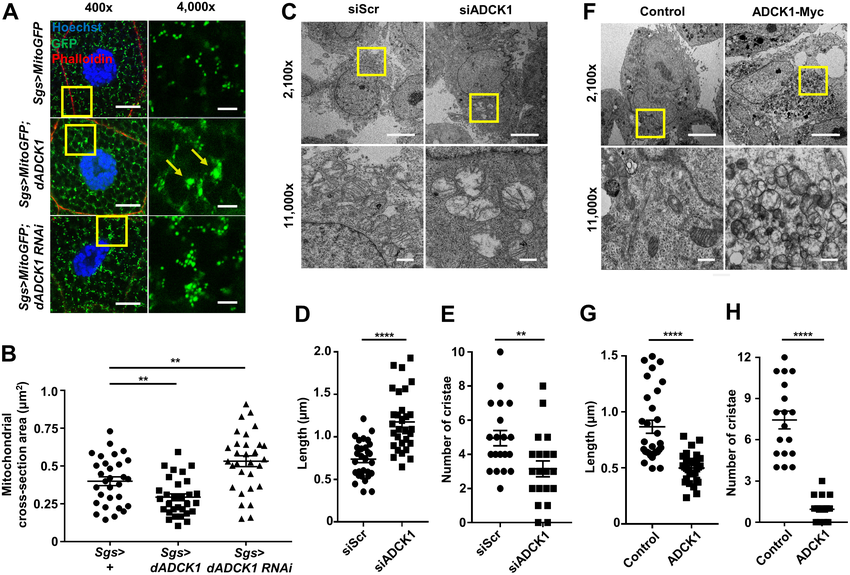
The Role of ADCK1 in Cellular Function and Disease
1. Mitochondrial Function and Energy Production
ADCK1 is primarily located in the mitochondria, the energy powerhouse of the cell. It is involved in the biosynthesis of coenzyme Q (CoQ), which is an essential component of the electron transport chain (ETC) in mitochondria. CoQ plays a critical role in transferring electrons during oxidative phosphorylation, a process that generates ATP, the energy currency of the cell. Without ADCK1, this process could be impaired, leading to reduced cellular energy production and mitochondrial dysfunction.
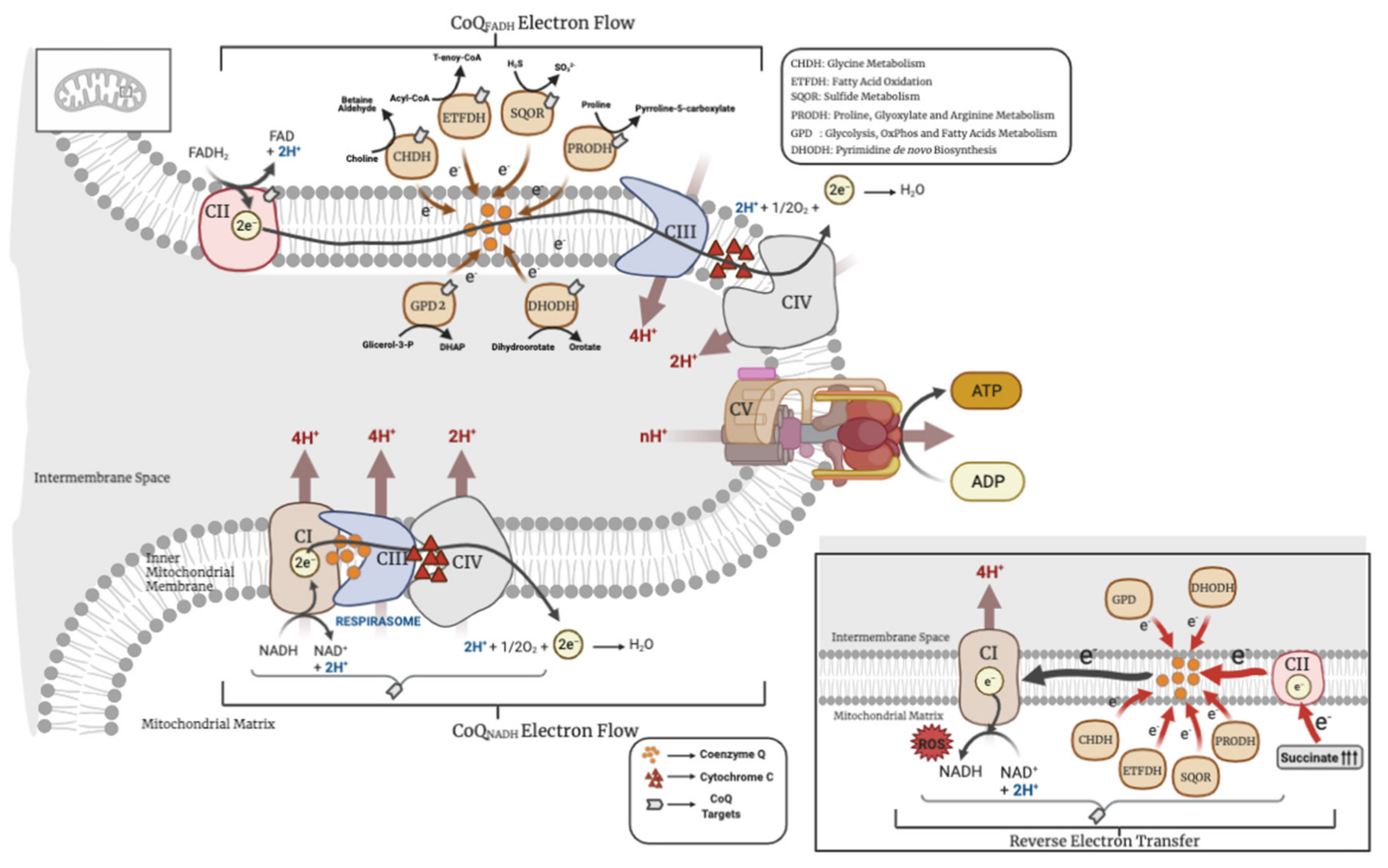
2. ADCK1 and Mitochondrial Diseases
Mutations in ADCK1 can lead to mitochondrial diseases, such as PEO and myopathy. These conditions are characterized by progressive muscle weakness, fatigue, and ophthalmoplegia (weakness of the eye muscles), which are thought to arise due to defective mitochondrial energy production. Research into ADCK1 function is crucial for identifying potential biomarkers and therapeutic targets for these diseases.
ADCK1 knockdown causes mitochondrial abnormality in the muscle
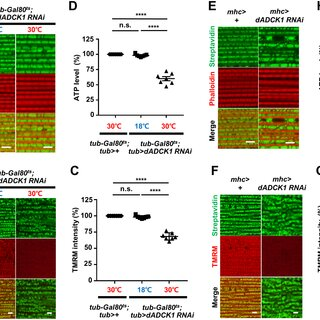
3. ADCK1 in Cellular Signaling
Besides its role in mitochondrial function, ADCK1 is also involved in several signaling pathways that regulate cell survival and growth. It has been shown to interact with various proteins that control mitochondrial dynamics, apoptosis (programmed cell death), and cellular stress responses. ADCK1’s ability to modulate these pathways highlights its importance in cellular homeostasis and its potential as a therapeutic target for diseases where these processes are disrupted.
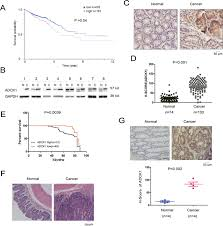
ADCK1 Colorimetric Cell-Based ELISA Kit (OKAG01386)
To aid researchers in studying ADCK1, the ADCK1 Colorimetric Cell-Based ELISA Kit (OKAG01386) provides a reliable and efficient tool for detecting and quantifying ADCK1 protein levels in cultured cells. This enzyme-linked immunosorbent assay (ELISA) is designed for use in studies involving cellular models, providing a straightforward method for investigating ADCK1 expression and its role in mitochondrial function and disease.
Product Overview
The ADCK1 Colorimetric Cell-Based ELISA Kit (OKAG01386) offers a colorimetric-based detection method for quantifying ADCK1 protein in cultured cell lysates. The kit uses a primary antibody specific to ADCK1, along with a secondary antibody conjugated to an enzyme (such as HRP or alkaline phosphatase), which generates a color change upon substrate addition. The intensity of the color change correlates with the amount of ADCK1 in the sample.
Key Features
-Species Reactivity : Suitable for human and mouse models.
-Format : Colorimetric (no need for specialized equipment like fluorescence detectors).
-High Sensitivity : Detect low amounts of ADCK1 protein with high precision.
-Easy to Use : Designed for use in standard laboratory setups with simple protocol steps.
-Validated for Cell Culture Applications : Ideal for studying ADCK1 expression in cultured cell lines, particularly those related to mitochondrial research.
-Fast Results : Provides results within a few hours.
Applications
-Quantifying ADCK1 protein levels in cultured cell lines.
-Studying the effects of ADCK1 gene mutations in disease models.
-Investigating ADCK1’s role in mitochondrial dysfunction and energy metabolism.
-Dr ug screening and therapy development targeting ADCK1.
Why Choose the ADCK1 Colorimetric Cell-Based ELISA Kit (OKAG01386) ?
This kit provides a simple, reliable method for monitoring ADCK1 protein expression and can be used in a variety of applications, including basic research, disease modeling, and dr ug discovery. Its high sensitivity and quantitative results make it an essential tool for researchers studying mitochondrial function, ADCK1-related diseases, and cellular energy metabolism.