
Optimizing Organoid and 3D Cell Culture Workflows with Defined Matrices
The Role of Matrices in Organoid Culture
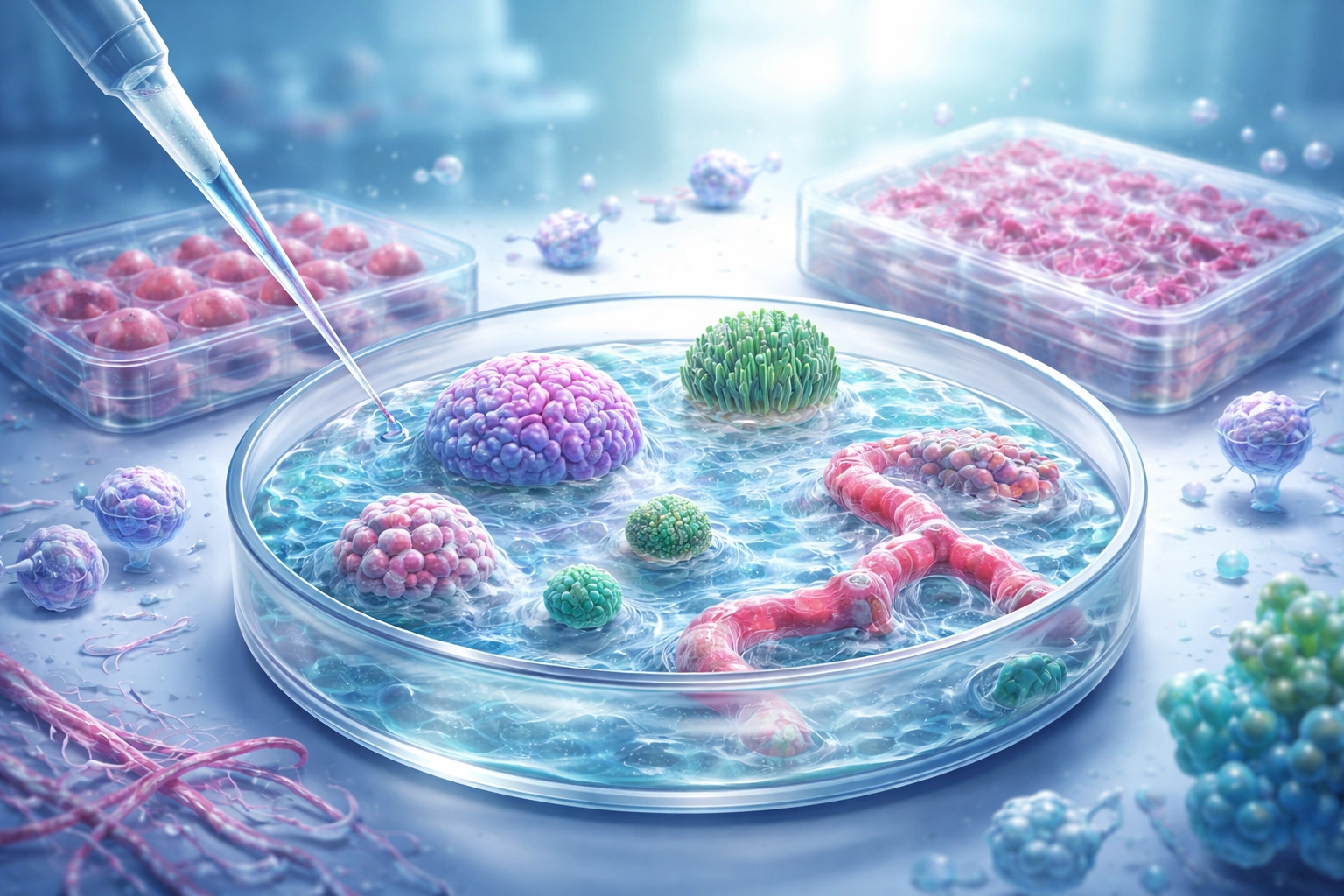
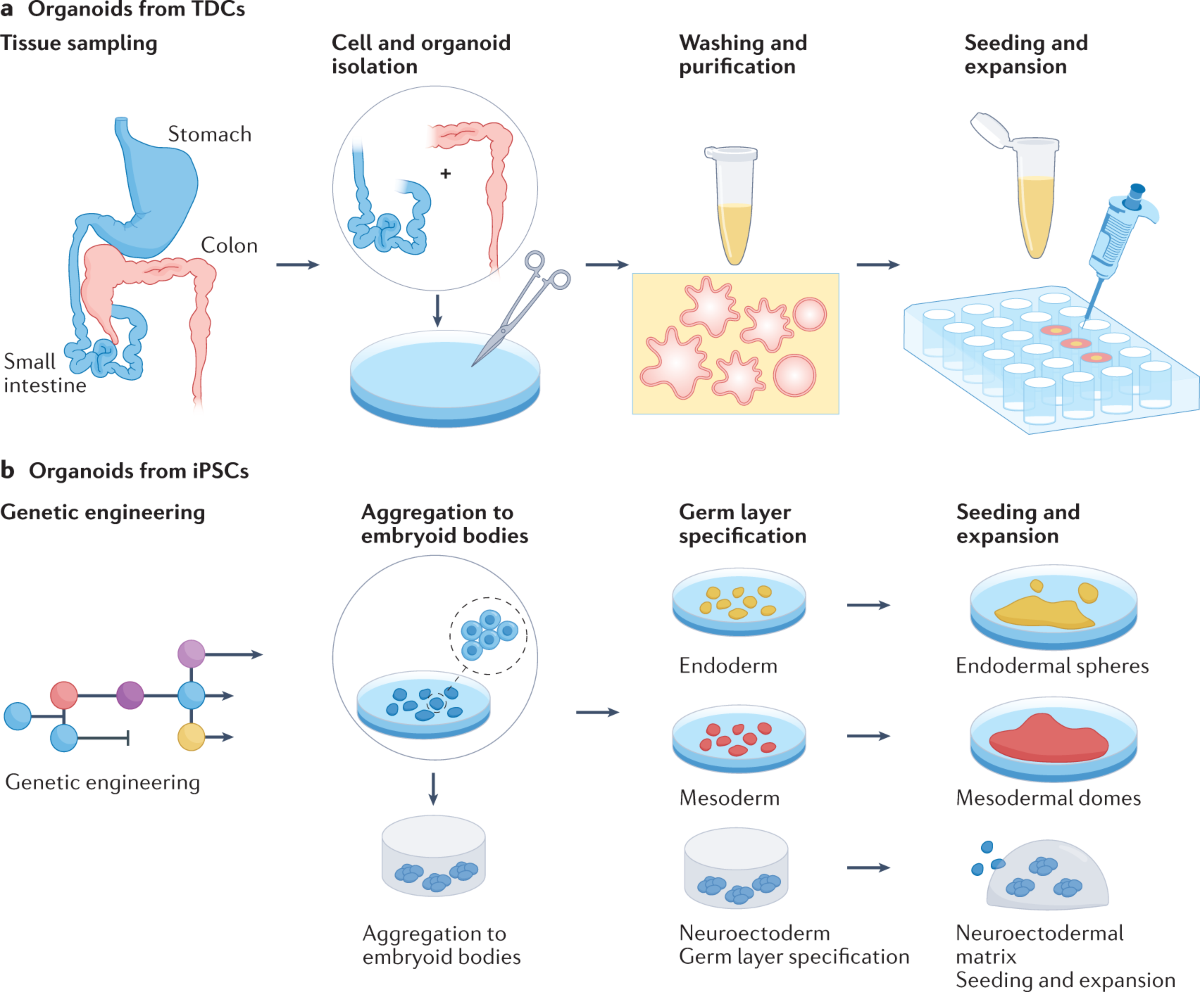
Organoids are self-organizing, stem cell-derived tissues. Their growth and functionality depend on several matrix properties:
- Mechanical properties: Stiffness and elasticity guide cell differentiation and tissue organization.
- Biochemical composition: Collagens, laminins, and other ECM components influence cell signaling.
- Consistency: Well-defined matrices reduce variability, improving reproducibility across experiments.
For example, researchers often use matrices optimized for organoid culture, including growth factor reduced or phenol red-free formulations, to support stem cell-derived organoids while maintaining consistent structure and function.

Specialized Matrices for Sensitive Experiments
Certain experimental setups require additional matrix features:
- Phenol red-free formulations minimize interference in imaging and fluorescence assays.
- Antibiotic-free matrices maintain sterility without affecting delicate cellular behaviors.
- Growth factor-reduced matrices allow precise control over the biochemical environment.
These specialized matrices help ensure reproducible and reliable results in sensitive experiments, from stem cell differentiation to organoid and 3D culture studies.
Supporting Advanced 3D Assays
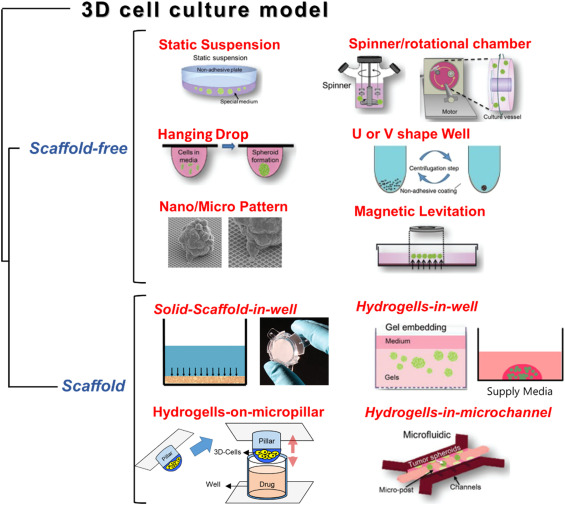
Defined matrices also play a key role in functional 3D assays, including:
- Tube formation assays to study angiogenesis.
- Cell invasion assays to model migration and metastasis.
- Stem cell culture for expansion and differentiation studies.
By providing predictable gelation, mechanical properties, and biochemical cues, these matrices allow researchers to focus on biology rather than matrix variability.
Selecting the Right Matrix for Your Research
When choosing a matrix, consider:
- Application type – Organoid cultures, stem cell expansion, or functional assays may require different formulations.
- Assay sensitivity – Phenol red-free matrices are preferred for fluorescence-based experiments.
- Sterility requirements – Antibiotic-free matrices are ideal for detecting subtle microbial contamination.
- Reproducibility – Defined matrices reduce variability and support consistent experimental outcomes.
Conclusion
A carefully chosen matrix is essential for the success of organoid, stem cell, and advanced 3D culture experiments. Using defined and application-specific matrices helps researchers achieve reproducible growth, reliable differentiation, and tissue-like functionality, enabling high-quality studies in tissue biology, cellular behavior, and functional modeling.
By considering matrix properties and experimental requirements, scientists can focus on meaningful biological insights rather than variability in their culture systems.