Host (770442)
Bovine (1090)Canine (20)Cat (403)Chicken (1642)Cod (2)Cow (333)Crab (15)Dog (524)Dolphin (2)Duck (13)E Coli (239120)Equine (7)Feline (1864)Ferret (306)Fish (125)Frog (52)Goat (36847)Guinea Pig (752)Hamster (1376)Horse (903)Insect (2053)Mammalian (512)Mice (6)Monkey (622)Mouse (96350)Pig (197)Porcine (70)Rabbit (360487)Rat (11703)Ray (55)Salamander (4)Salmon (15)Shark (3)Sheep (4247)Snake (4)Swine (301)Turkey (57)Whale (3)Yeast (5335)Zebrafish (3022)Isotype (157270)
IgA (13685)IgA1 (943)IgA2 (319)IgD (1964)IgE (5630)IgG (87508)IgG1 (16749)IgG2 (1328)IgG3 (2724)IgG4 (1692)IgM (22194)IgY (2534)Label (235733)
AF488 (2465)AF594 (662)AF647 (2324)ALEXA (11545)ALEXA FLUOR 350 (255)ALEXA FLUOR 405 (260)ALEXA FLUOR 488 (672)ALEXA FLUOR 532 (260)ALEXA FLUOR 555 (274)ALEXA FLUOR 568 (253)ALEXA FLUOR 594 (299)ALEXA FLUOR 633 (262)ALEXA FLUOR 647 (607)ALEXA FLUOR 660 (252)ALEXA FLUOR 680 (422)ALEXA FLUOR 700 (2)ALEXA FLUOR 750 (414)ALEXA FLUOR 790 (215)Alkaline Phosphatase (825)Allophycocyanin (32)ALP (387)AMCA (80)AP (1159)APC (14233)APC C750 (13)Apc Cy7 (1248)ATTO 390 (3)ATTO 488 (6)ATTO 550 (1)ATTO 594 (5)ATTO 647N (4)AVI (53)Beads (235)Beta Gal (2)BgG (1)BIMA (6)Biotin (27817)Biotinylated (1810)Blue (708)BSA (878)BTG (46)C Terminal (688)CF Blue (19)Colloidal (22)Conjugated (29281)Cy (163)Cy3 (390)Cy5 (2041)Cy5 5 (2469)Cy5 PE (1)Cy7 (3638)Dual (170)DY549 (3)DY649 (3)Dye (1)DyLight (1430)DyLight 405 (7)DyLight 488 (216)DyLight 549 (17)DyLight 594 (84)DyLight 649 (3)DyLight 650 (35)DyLight 680 (17)DyLight 800 (21)Fam (13)Fc Tag (8)FITC (29181)Flag (208)Fluorescent (146)GFP (576)GFP Tag (180)Glucose Oxidase (59)Gold (511)Green (580)GST (722)GST Tag (327)HA Tag (440)His (634)His Tag (507)Horseradish (550)HRP (12994)HSA (247)iFluor (16571)Isoform b (31)KLH (87)Luciferase (105)Magnetic (260)MBP (343)MBP Tag (93)Myc Tag (410)OC 515 (1)Orange (78)OVA (103)Pacific Blue (213)Particle (64)PE (32633)PerCP (7450)Peroxidase (1364)POD (11)Poly Hrp (94)Poly Hrp40 (13)Poly Hrp80 (3)Puro (32)Red (2440)RFP Tag (63)Rhodamine (607)RPE (910)S Tag (194)SCF (184)SPRD (351)Streptavidin (55)SureLight (77)T7 Tag (97)Tag (4806)Texas (1249)Texas Red (1231)Triple (10)TRITC (1401)TRX tag (90)Unconjugated (2110)Unlabeled (218)Yellow (84)Pathogen (489480)
Adenovirus (8685)AIV (317)Bordetella (25032)Borrelia (18284)Candida (17811)Chikungunya (638)Chlamydia (17663)CMV (121402)Coronavirus (5949)Coxsackie (859)Dengue (2872)EBV (1497)Echovirus (215)Enterovirus (677)Hantavirus (259)HAV (909)HBV (2084)HHV (838)HIV (7876)hMPV (275)HSV (2334)HTLV (635)Influenza (22004)Isolate (1208)KSHV (396)Lentivirus (3755)Lineage (3025)Lysate (127759)Marek (94)Measles (1169)Parainfluenza (1692)Poliovirus (3024)Poxvirus (81)Rabies (1526)Reovirus (536)Retrovirus (1066)Rhinovirus (511)Rotavirus (5353)RSV (1768)Rubella (1070)SIV (279)Strain (67791)Vaccinia (7232)VZV (661)WNV (369)Species (2980604)
Alligator (10)Bovine (159815)Canine (120805)Cat (13115)Chicken (113989)Cod (1)Cow (2031)Dog (12723)Dolphin (21)Duck (9606)Equine (2012)Feline (1019)Ferret (259)Fish (12882)Frog (1)Goat (90541)Guinea Pig (87960)Hamster (36960)Horse (41294)Human (950231)Insect (653)Lemur (119)Lizard (24)Monkey (110994)Mouse (470765)Pig (26229)Porcine (131969)Rabbit (127889)Rat (349272)Ray (443)Salmon (348)Seal (8)Shark (29)Sheep (105155)Snake (11)Swine (519)Toad (4)Turkey (244)Turtle (75)Whale (45)Zebrafish (534)Technique (5589781)
Activation (170412)Activity (10795)Affinity (44634)Agarose (2604)Aggregation (199)Antigen (135460)Apoptosis (27407)Array (2022)Blocking (71768)Blood (8530)Blot (10966)ChiP (814)Chromatin (6286)Colorimetric (9907)Control (80079)Culture (3219)Cytometry (5475)Depletion (56)DNA (172527)Dot (233)EIA (1039)Electron (6275)Electrophoresis (254)Elispot (1294)Enzymes (52765)Exosome (4280)Extract (1090)Fab (2227)FACS (43)FC (80717)Flow (6662)Fluorometric (1406)Formalin (97)Frozen (2671)Functional (708)Gel (2480)HTS (136)IF (12906)IHC (16566)Immunoassay (1589)Immunofluorescence (4119)Immunohistochemistry (72)Immunoprecipitation (68)intracellular (5602)IP (2838)iPSC (259)Isotype (8804)Lateral (1587)Lenti (319416)Light (37303)Microarray (47)MicroRNA (4835)Microscopy (52)miRNA (88042)Monoclonal (524801)Multi (3844)Multiplex (302)Negative (4261)PAGE (2521)Panel (1633)Paraffin (2587)PBS (20266)PCR (9)Peptide (276278)PerCP (12769)Polyclonal (2747043)Positive (6336)Precipitation (61)Premix (130)Primers (3467)Probe (2630)Profile (229)Pure (7818)Purification (15)Purified (78235)Real Time (3042)Resin (2975)Reverse (2438)RIA (460)RNAi (17)Rox (1023)RT PCR (6608)Sample (2666)SDS (1524)Section (2895)Separation (86)Sequencing (122)Shift (22)siRNA (319447)Standard (42465)Sterile (10168)Strip (1863)Taq (2)Tip (1172)Tissue (42847)Tube (3306)Vitro (3577)Vivo (981)WB (2515)Western Blot (10683)Tissue (2017019)
Adenocarcinoma (1075)Adipose (3463)Adrenal (657)Adult (4883)Amniotic (65)Animal (2452)Aorta (436)Appendix (89)Array (2022)Ascites (4737)Bile Duct (20)Bladder (1675)Blood (8530)Bone (27367)Brain (31217)Breast (10918)Calvaria (28)Carcinoma (13497)cDNA (58548)Cell (413914)Cellular (9360)Cerebellum (700)Cervix (232)Child (1)Choroid (19)Colon (3911)Connective (3603)Contaminant (3)Control (80079)Cord (661)Corpus (148)Cortex (698)Dendritic (1849)Diseased (265)Donor (1360)Duct (861)Duodenum (643)Embryo (425)Embryonic (4586)Endometrium (466)Endothelium (1424)Epidermis (166)Epithelium (4224)Esophagus (716)Exosome (4280)Eye (2033)Female (475)Frozen (2671)Gallbladder (155)Genital (5)Gland (3437)Granulocyte (8990)Heart (6851)Hela (413)Hippocampus (325)Histiocytic (74)Ileum (201)Insect (4880)Intestine (1945)Isolate (1208)Jejunum (175)Kidney (8079)Langerhans (283)Leukemia (21573)Liver (17342)Lobe (835)Lung (6074)Lymph (1208)Lymphatic (639)lymphocyte (22589)Lymphoma (12787)Lysate (127759)Lysosome (2814)Macrophage (31832)Male (1617)Malignant (1467)Mammary (1987)Mantle (1042)Marrow (2210)Mastocytoma (3)Matched (11710)Medulla (156)Melanoma (15525)Membrane (105780)Metastatic (3575)Mitochondrial (160331)Muscle (37428)Myeloma (748)Myocardium (11)Nerve (6403)Neuronal (17035)Node (1206)Normal (9488)Omentum (10)Ovarian (2511)Ovary (1173)Pair (47185)Pancreas (2843)Panel (1633)Penis (64)Peripheral (1912)Pharynx (122)Pituitary (5421)Placenta (4051)Prostate (9438)Proximal (318)Rectum (316)Region (202208)Retina (956)Salivary (3119)Sarcoma (6946)Section (2895)Serum (24921)Set (167648)Skeletal (13636)Skin (1882)Smooth (7575)Spinal (424)Spleen (2292)Stem (8901)Stomach (925)Stroma (49)Subcutaneous (47)Testis (15396)Thalamus (127)Thoracic (60)Throat (40)Thymus (2988)Thyroid (14138)Tongue (144)Total (10151)Trachea (227)Transformed (175)Tubule (48)Tumor (76992)Umbilical (208)Ureter (73)Urinary (2467)Uterine (303)Uterus (414)Next-Generation Sequencing vs. Mass Spectrometry: Benchmarking Gut Microbiota Markers for Predictive Disease Models
This article explores the strengths and limitations of Next-Generation Sequencing (NGS) and Mass Spectrometry (MS) in gut microbiota research, comparing taxonomic profiling with functional metabolomics. It highlights their predictive power in diseases like IBD, Type 2 Diabetes, colorectal cancer, and neurodegenerative disorders while discussing machine learning integration and urine-based microbiota testing for advancing microbiome-based diagnostics and precision medicine.
Gentaur
Scientific Publications
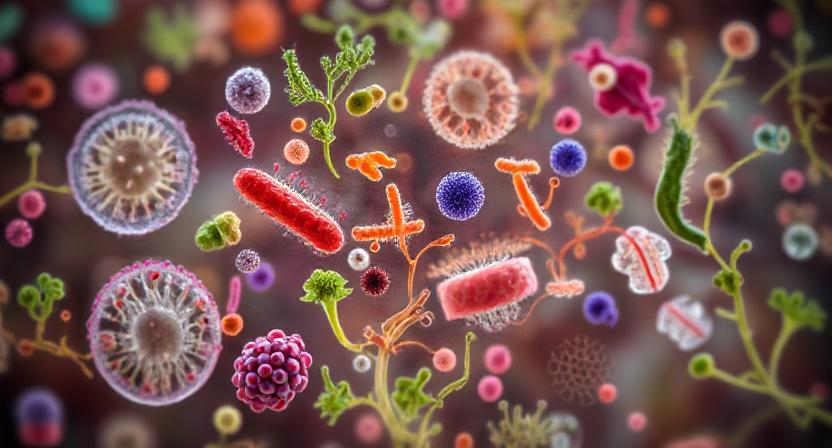
Next-Generation Sequencing vs. Mass Spectrometry: Benchmarking Gut Microbiota Markers for Predictive Disease Models
Introduction
The human gut microbiota is a complex and dynamic ecosystem that plays a fundamental role in health and disease. Advances in sequencing technologies and metabolomics have enabled researchers to move beyond taxonomic profiling and focus on functional microbiota-derived metabolites as biomarkers for disease. The two predominant technologies used for gut microbiota analysis—Next-Generation Sequencing (NGS) and Mass Spectrometry (MS)—offer complementary insights into microbial composition and function. This article provides a detailed comparison of these techniques, evaluates their efficacy in disease prediction, and discusses the integration of both for enhanced clinical application.
1. Next-Generation Sequencing (NGS) for Gut Microbiota Profiling
1.1. Taxonomic Resolution and Functional Analysis
NGS enables high-throughput sequencing of microbial DNA, allowing for the identification and relative quantification of bacterial and archaeal communities. The two primary NGS approaches in microbiome research are:
- 16S rRNA Gene Sequencing: Targets the hypervariable regions of the bacterial 16S ribosomal RNA gene to infer community composition.
- Shotgun Metagenomic Sequencing: Provides a comprehensive view of the microbiome by sequencing entire genomes, enabling species-level resolution and functional pathway analysis.
1.2. Strengths and Limitations
Strengths:
- High taxonomic resolution (species/strain-level with shotgun sequencing)
- Functional pathway analysis via gene annotation (e.g., KEGG, MetaCyc)
- Allows for the identification of novel microbes
Limitations:
- Inability to directly measure metabolic activity or metabolite production
- Requires high sequencing depth for accurate functional inference
- Sensitive to sample preparation and DNA extraction biases
2. Mass Spectrometry-Based Metabolomics for Functional Microbiota Analysis
2.1. Metabolite Detection and Quantification
Mass spectrometry (MS) is used to analyze the metabolic output of gut microbiota, providing direct insights into host-microbe interactions. The two main approaches include:
- Liquid Chromatography-Mass Spectrometry (LC-MS): Highly sensitive and enables the detection of polar and nonpolar metabolites.
- Gas Chromatography-Mass Spectrometry (GC-MS): Useful for volatile organic compounds (VOCs) and SCFAs.
2.2. Strengths and Limitations
Strengths:
- Provides direct functional readouts via metabolite quantification
- Captures host-microbiota metabolic interactions
- Higher reproducibility in metabolite measurements compared to functional gene prediction
Limitations:
- Limited ability to identify bacterial species responsible for metabolite production
- Requires extensive reference libraries for metabolite annotation
- Sample preparation complexity affects reproducibility
3. Comparative Evaluation for Disease Prediction
3.1. Predictive Accuracy Across Different Disease Models
Several diseases have been linked to gut microbiota dysbiosis, with both NGS and MS contributing distinct insights.
- For Inflammatory Bowel Disease (IBD), NGS studies have identified a decrease in Faecalibacterium prausnitzii and an increase in Bacteroides, while MS analysis reveals shifts in SCFA ratios, particularly a decrease in butyrate and an increase in acetate. Integrating both approaches results in high sensitivity and specificity for IBD prediction.
- In Type 2 Diabetes (T2D), NGS data show reductions in Akkermansia muciniphila and increases in Prevotella copri, whereas MS detects elevated levels of trimethylamine-N-oxide (TMAO), a known cardiometabolic risk factor. Combining these datasets enhances predictive power for diabetes-related metabolic dysfunction.
- For Colorectal Cancer (CRC), NGS highlights increased abundance of Fusobacterium nucleatum and Bacteroides fragilis, while MS identifies distinct profiles of volatile organic compounds (VOCs) as early-stage biomarkers. The integrated approach improves early detection accuracy.
- In Neurodegenerative Disorders, alterations in gut-brain axis microbiota composition are evident in NGS studies, while MS detects increased levels of indoxyl sulfate and shifts in the kynurenine/tryptophan ratio, both associated with neuroinflammation and cognitive decline. Though promising, further validation is needed to establish reliable predictive models.
3.2. Machine Learning for Integrated Analysis
Combining NGS and MS data using machine learning (ML) algorithms has led to improved disease classification models. Approaches include:
- Random Forest Classifiers for feature selection of microbial taxa and metabolites
- Support Vector Machines (SVMs) for pattern recognition in high-dimensional data
- Neural Networks for deep integration of multi-omics datasets
4. Case Study: Urine-Based Gut Microbiota Metabolomics in Disease Detection
Recent advances have led to the development of a 20-minute urine-based gut microbiota test that leverages MS-derived metabolite profiling to detect disease-associated microbial signatures. Key findings include:
- Tryptophan Metabolites (Kynurenine/Tryptophan Ratio) as early markers of neurodegenerative disorders
- SCFA Metabolites as indicators of metabolic dysfunction and gut dysbiosis
- LPS and Peptidoglycan Fragments as systemic inflammation markers linked to autoimmune and neuroinflammatory diseases
The ability to rapidly quantify microbiota-derived metabolites in urine presents an alternative to stool-based sequencing, providing real-time, non-invasive diagnostics for clinical application.
Conclusion
The choice between NGS and MS depends on the research question and clinical application:
- NGS is optimal for taxonomic and functional pathway insights but lacks direct metabolic measurements.
- MS provides direct biochemical readouts but cannot pinpoint microbial sources of metabolites.
- Integrated multi-omics approaches combining NGS and MS with ML-based analysis offer the most promising path toward accurate, predictive disease models.
Future research should focus on standardizing multi-omics workflows and improving reference databases for both sequencing and metabolomics to enhance clinical translation of microbiota-based diagnostics.
Tags
- GutMicrobiota
- MicrobiomeResearch
- NextGenerationSequencing
- MassSpectrometry
- Metabolomics
- PredictiveBiomarkers
- MicrobiotaDysbiosis
- FunctionalMetabolomics
- InflammatoryBowelDisease
- Type2Diabetes
- ColorectalCancer
- NeurodegenerativeDisorders
- MachineLearningInBiomedicine
- MultiOmicsIntegration
- PrecisionMedicine
