
High-Throughput Screening Techniques in Biotechnology
Introduction
High-throughput screening (HTS) techniques enable the rapid evaluation of large numbers of biological samples, conditions, or genetic variants in a systematic and efficient manner. These approaches have become essential in biotechnology research, where experimental complexity and scale often exceed the capacity of traditional low-throughput methods.
By combining automation, miniaturization, and sensitive detection systems, high-throughput screening allows researchers to explore biological diversity and functional space with unprecedented efficiency.
Principles of High-Throughput Screening
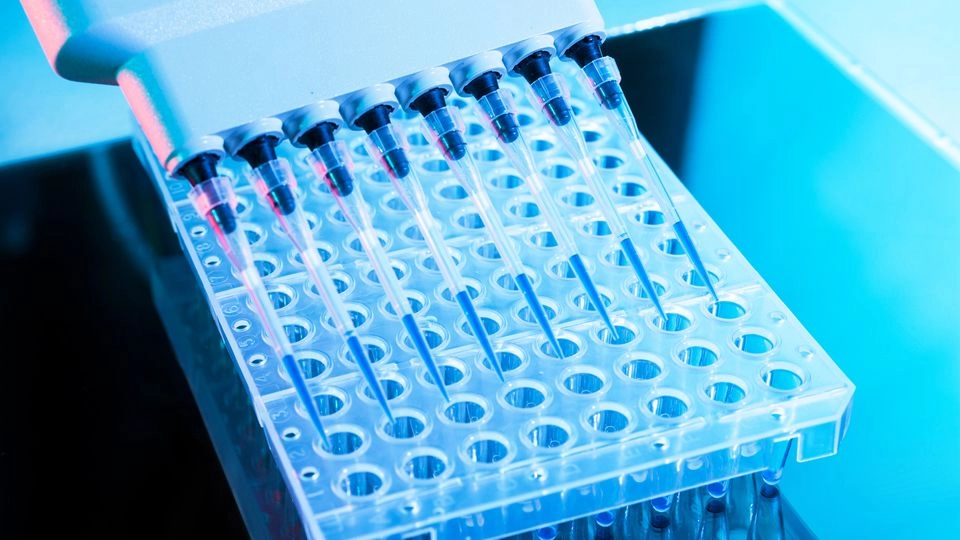
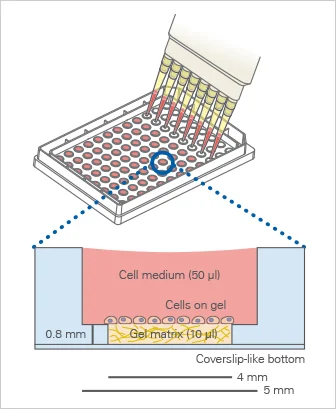
High-throughput screening is based on parallelization. Experiments are conducted simultaneously across many samples, typically arranged in standardized formats such as multiwell plates or microarrays. Robotic liquid handling systems ensure precision and reproducibility, while automated detection platforms enable rapid data acquisition.
The design of a high-throughput assay requires careful consideration of sensitivity, specificity, and robustness to ensure meaningful results.
Screening Platforms and Technologies
Plate-Based Screening Systems
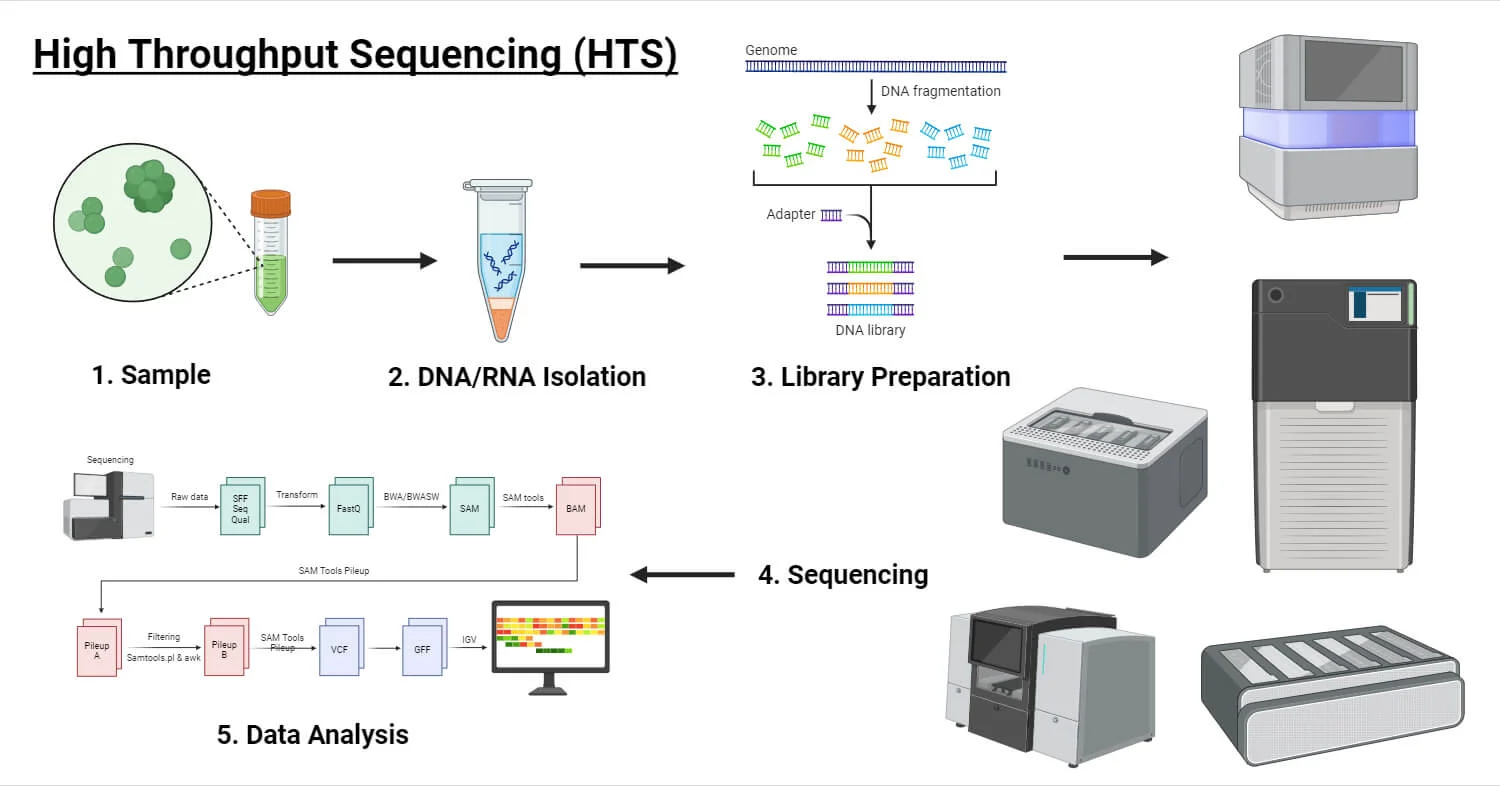
Multiwell plate formats, such as 96-, 384-, and 1536-well plates, are widely used in HTS workflows. These systems support scalable experimentation and compatibility with automated instrumentation.
Microfluidic Screening
Microfluidic technologies allow the manipulation of small volumes and individual cells within miniaturized devices. These systems support high-resolution screening while reducing reagent consumption and experimental variability.
Pooled Screening Approaches
Pooled screening methods involve the simultaneous analysis of large libraries within a single experiment. Barcode-based identification enables the tracking of individual variants or conditions, increasing throughput and experimental efficiency.
Detection and Readout Methods
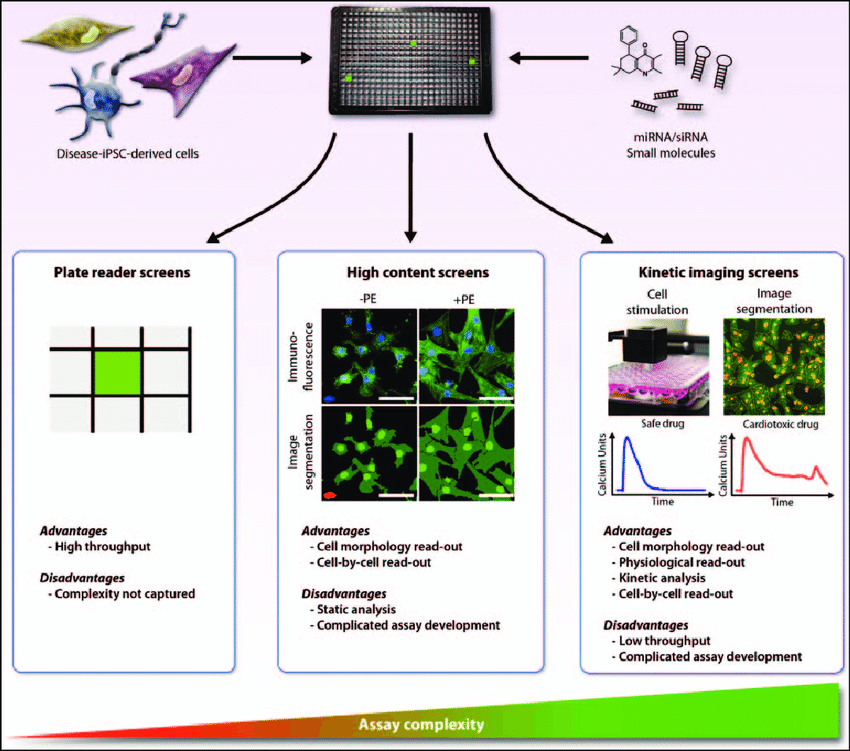
High-throughput screening relies on diverse detection strategies, including fluorescence, luminescence, absorbance, and imaging-based readouts. Advances in imaging technologies have enabled high-content screening, where morphological and phenotypic features are quantified alongside molecular signals.
The choice of detection method influences assay sensitivity, data complexity, and analytical requirements.
Applications in Biotechnology Research
High-throughput screening is widely used for functional genomics, pathway analysis, and optimization of biological systems. It supports the identification of functional elements, characterization of genetic libraries, and evaluation of system performance under varying conditions.
In experimental biology, HTS facilitates large-scale hypothesis testing and accelerates the discovery of functional relationships within complex biological networks.
Data Analysis and Interpretation
The large datasets generated by high-throughput screening require robust statistical and computational methods for analysis. Quality control, normalization, and hit selection are critical steps in ensuring reliable interpretation.
Integration with downstream validation experiments is essential for confirming screening results and establishing biological relevance.
Challenges and Limitations
Despite its advantages, high-throughput screening presents challenges related to assay design, false positives, and data management. Miniaturization can increase sensitivity to technical variation, and complex datasets may obscure subtle biological effects.
Continuous improvements in instrumentation, assay development, and analytical frameworks are necessary to address these limitations.