
CircRNA in Depression Diagnostics
Explore how circRNA-based RT-PCR diagnostics are revolutionizing Major Depressive Disorder detection. Learn why MDD CircRNA Kit is more accurate, affordable, and accessible than traditional RNA sequencing tests, enabling personalized depression treatment and early intervention.
Gentaur
Scientific Publications
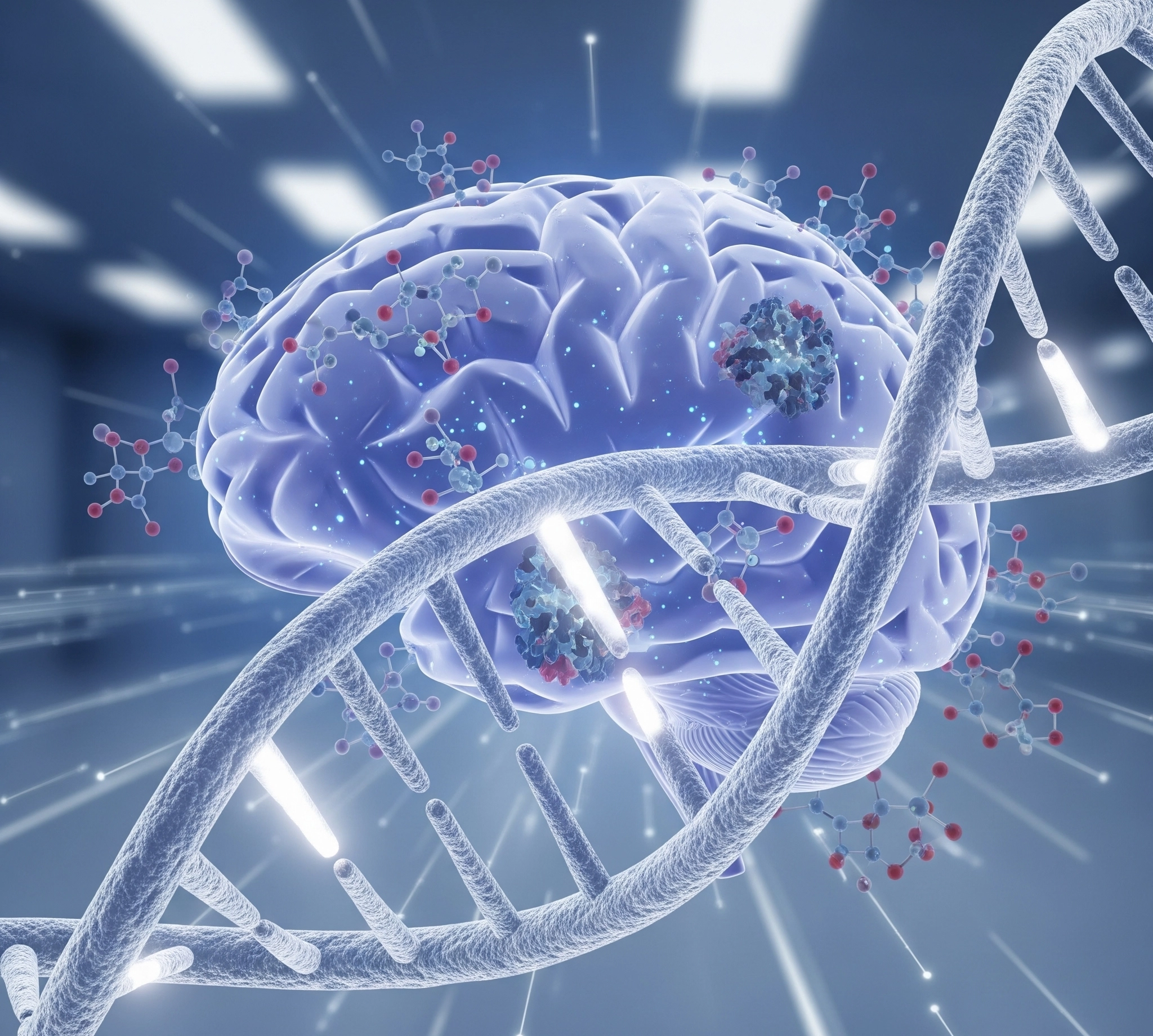
CircRNA in Depression Diagnostics
A New Frontier in Molecular Psychiatry
Major Depressive Disorder (MDD) remains one of the most prevalent and disabling mental health conditions worldwide, affecting over 264 million people globally. Accurate and early diagnosis is critical for guiding effective therapeutic strategies and improving patient outcomes (nih.gov). Traditional diagnostic methods, primarily based on clinical assessment and patient-reported symptoms, often face limitations due to subjective variability and overlapping features with bipolar disorder (ncbi.nlm.nih.gov).
Recent advances in molecular psychiatry have highlighted circular RNAs (circRNAs) as promising biomarkers for depression diagnostics. CircRNAs are a class of endogenously expressed, covalently closed RNA molecules that play critical roles in gene regulation, neuronal function, and synaptic plasticity. Unlike linear RNAs, circRNAs exhibit high stability in blood, cerebrospinal fluid, and brain tissue, making them suitable for non-invasive molecular diagnostics.
The Role of circRNA in Depression Pathophysiology
Depression is associated with dysregulation in neuroplasticity, circadian rhythms, neurotransmitter signaling, and stress response pathways. CircRNAs influence these processes via multiple mechanisms:
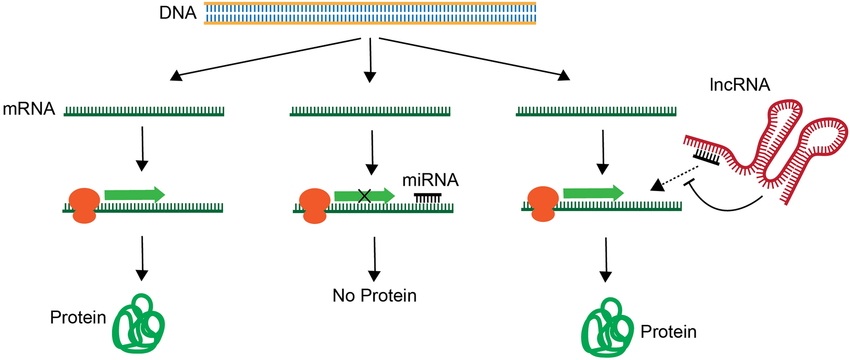
- miRNA Sponging : CircRNAs can act as microRNA sponges, modulating the expression of genes involved in serotonin and dopamine pathways, which are pivotal in mood regulation.
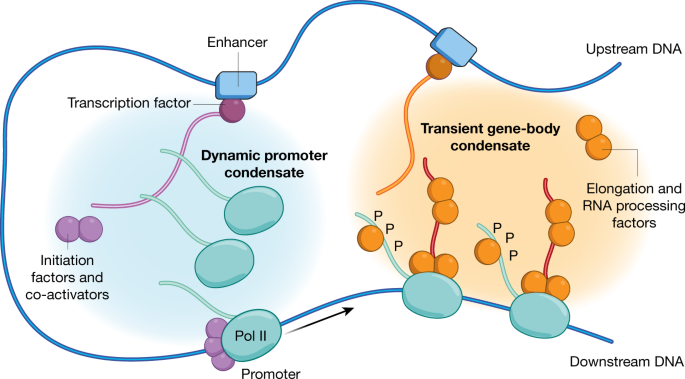
- Transcriptional Regulation : Certain circRNAs interact with RNA-binding proteins, impacting transcription of stress-responsive genes.
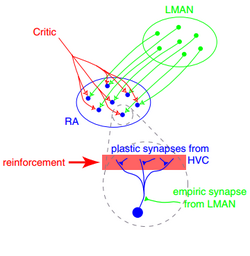
- Synaptic Plasticity : CircRNAs are enriched in neuronal dendrites and influence synaptic remodeling, which is often impaired in depression.
- Neuroinflammation : CircRNA dysregulation correlates with pro-inflammatory signaling, linking immune responses to depressive symptomatology.

CircRNA as Diagnostic Biomarkers
The stability, tissue specificity, and regulatory functions of circRNAs make them ideal candidates for molecular diagnostics in depression. Emerging studies have identified specific circRNAs differentially expressed in patients with MDD compared to healthy controls, including :
- hsa_circ_0001946.
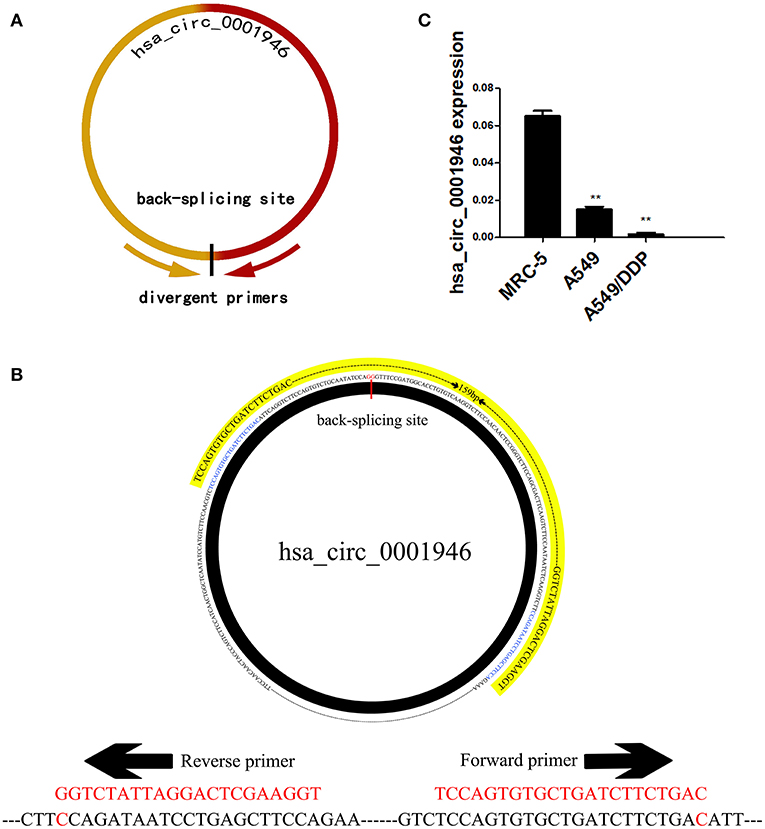
- hsa_circ_0001345.
- hsa_circ_0104825.
These circRNAs are measurable via real-time PCR (RT-PCR) from peripheral blood samples, offering a non-invasive, rapid, and reproducible diagnostic method.
Advantages over Traditional RNA Sequencing
While RNA sequencing (RNA-Seq) provides comprehensive gene expression profiling, its application in routine depression diagnostics faces several limitations :
- High cost
- Complex bioinformatics analysis : Sequencing data requires advanced computational pipelines and trained personnel.
- Long turnaround time : RNA-Seq may take several days from sample collection to result reporting.
Clinical Implications
Incorporating circRNA diagnostics into clinical practice offers several benefits :
- Early detection and intervention : Enables personalized treatment plans and monitoring of therapeutic response .
- Differentiation between MDD and Bipolar Disorder : CircRNA signatures can help distinguish between overlapping psychiatric conditions.
- Reduction of trial-and-error prescribing : Supports precision psychiatry by identifying patients likely to respond to SSRIs or other antidepressants.
- Non-invasive monitoring : Blood-based circRNA detection reduces the need for invasive procedures, improving patient compliance.
Future Directions
The integration of circRNA profiling with machine learning and multi-omics data promises to further enhance diagnostic accuracy and predict treatment response. Ongoing research is focusing on :
- Validation of circRNA panels across diverse populations.
- Standardization of sample processing and quantification methods.
- Development of point-of-care circRNA detection platforms.
Conclusion
CircRNAs represent a paradigm shift in depression diagnostics, combining molecular precision, clinical accessibility, and cost-effectiveness. The MDD CircRNA RT-PCR Detection Kit exemplifies this innovation, offering highly accurate, affordable, and rapid diagnostics, outperforming traditional RNA sequencing tests. By integrating circRNA-based tools into clinical practice, researchers and clinicians can advance personalized psychiatry, improve patient outcomes, and accelerate the translation of molecular research into actionable mental health care.