Anti-Skeletal Muscle Antibodies
Introduction to Anti-Skeletal Muscle Antibodies
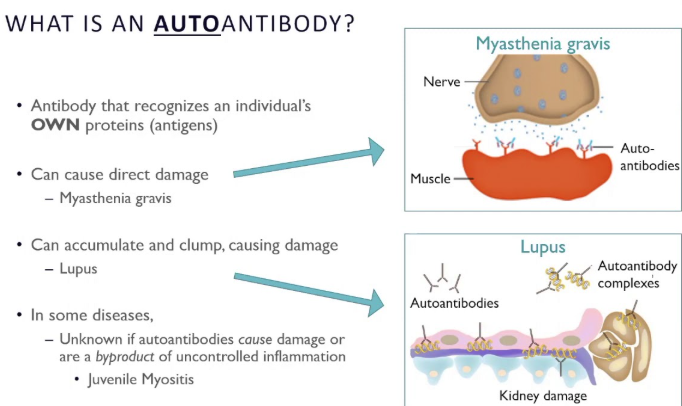
Anti-skeletal muscle antibodies (ASMA) are autoantibodies that target proteins found in striated muscle tissues. These antibodies can be involved in various autoimmune and neuromuscular conditions.

Understanding their role in the body is crucial for diagnosing diseases like Myasthenia Gravis (MG) and Thymoma-associated conditions, among others. Accurate detection of ASMA is vital in clinical practice, and the use of ELISA kits provides a reliable method for quantification and diagnosis.
What Are Anti-Skeletal Muscle Antibodies ?
Anti-skeletal muscle antibodies are a type of autoantibody produced when the immune system mistakenly targets its own body’s skeletal muscles. These antibodies are typically associated with conditions that cause damage to striated muscles, such as Myasthenia Gravis, polymyositis, and Thymoma. The presence of ASMA can help confirm the diagnosis of autoimmune or muscle-related diseases, and detecting these antibodies provides valuable insight into a patient’s health condition.
The Clinical Significance of Anti-Skeletal Muscle Antibodies
1. Supporting Diagnosis in Myasthenia Gravis (MG)
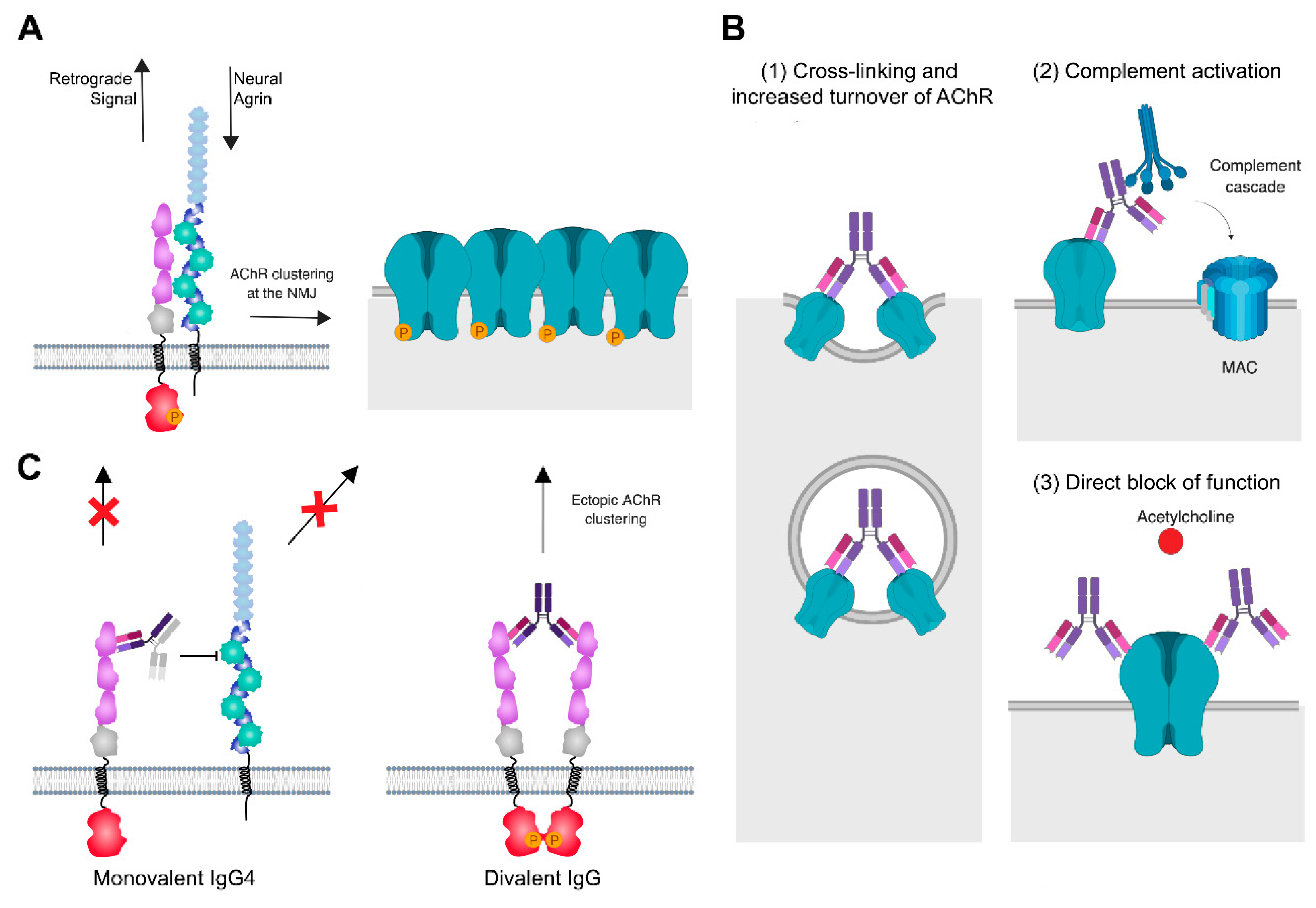
ASMA testing is especially useful in diagnosing seronegative MG, where traditional antibody tests like anti-AChR or anti-MuSK may not yield results. Detecting anti-skeletal muscle antibodies in these cases can help provide a more complete diagnostic picture and guide treatment options.
2. Thymoma Diagnosis and Monitoring
Thymomas, a type of tumor associated with the thymus gland, are often linked to MG. The presence of anti-skeletal muscle antibodies can signal the presence of thymoma or its recurrence in patients. Early detection of these antibodies is critical for timely intervention.
3. Differentiating Neurological and Muscle Disorders
Anti-skeletal muscle antibodies can help differentiate between neuromuscular and other musculoskeletal disorders. When interpreting results, it is important to consider the clinical context, as low titers may be observed in various other conditions, including viral infections and polymyositis.
How Anti-Skeletal Muscle Antibodies Are Detected ?
Traditional Methods : Immunofluorescence and Muscle Tissue
Historically, indirect immunofluorescence was the gold standard for detecting anti-skeletal muscle antibodies. This method involved using fresh muscle tissue sections and examining the interaction of antibodies under a microscope. However, this technique is labor-intensive, lacks quantification, and is prone to variability.

Modern Methods : ELISA for Quantification
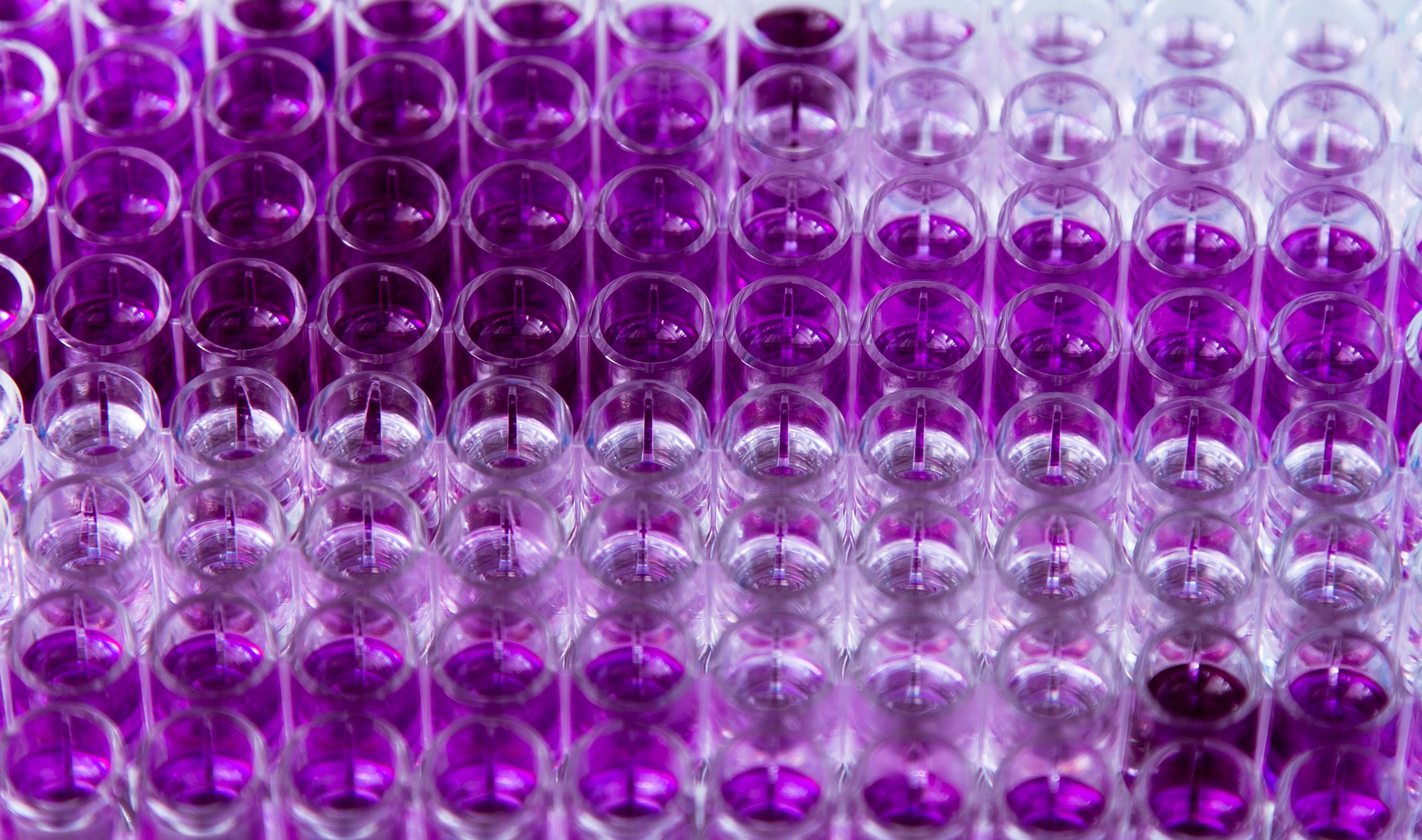
Today, ELISA (enzyme-linked immunosorbent assay) is a far more efficient and standardized method for detecting anti-skeletal muscle antibodies. ELISA kits allow for the quantification of antibody titers in serum samples, offering significant advantages over traditional methods, such as :
- Precision in measuring antibody levels
- Ease of use and fewer sample requirements
- Reproducibility across different labs and tests
ELISA Kits : The Ideal Solution for Anti-Skeletal Muscle Antibody Detection
The Human Anti-Skeletal Muscle Antibody (ASMA) ELISA Kit is an advanced tool designed to accurately detect and quantify anti-skeletal muscle antibodies in human serum samples. This kit provides a reliable, standardized approach for researchers and clinicians to evaluate ASMA presence, aiding in the diagnosis of neuromuscular disorders.
Key Features of the Human ASMA ELISA Kit :
- Targeted for Human Serum : Tailored specifically for human samples, ensuring precise results for clinical and research applications.
- Quantitative Results : Unlike traditional methods, this ELISA kit quantifies ASMA titers, allowing for detailed assessment.
- Standardized Protocol : Reduces variability and ensures consistency across different testing environments.

Applications of Anti-Skeletal Muscle Antibody Testing
1. Neuromuscular Disease Diagnosis :
ASMA testing is invaluable for diagnosing seronegative MG, especially in patients who test negative for other common neuromuscular antibodies.
2. Thymoma Detection :
Patients with thymoma often present with anti-skeletal muscle antibodies, making ASMA testing a useful tool for early detection and monitoring.
3. Immune-Mediated Myopathies :
Testing for anti-skeletal muscle antibodies can also aid in diagnosing various autoimmune myopathies, providing critical insights into muscle-specific autoimmune responses.
How to Use the Human Anti-Skeletal Muscle Antibody ELISA Kit ?
The Human Anti-Skeletal Muscle Antibody (ASMA) ELISA Kit is easy to use, with straightforward instructions for preparing samples, performing the assay, and analyzing the results. Here’s how it works :
- Sample Preparation : Prepare the human serum sample following standard lab procedures.
- Assay Procedure : Add the prepared sample to the ELISA plate and incubate according to the protocol.
- Detection : Use a colorimetric readout to detect the presence and concentration of anti-skeletal muscle antibodies.
- Result Interpretation : Quantify antibody levels and compare with established thresholds to assess clinical relevance.
Why Anti-Skeletal Muscle Antibody Testing Matters ?
Anti-skeletal muscle antibodies play a pivotal role in the diagnosis of several neuromuscular diseases, including Myasthenia Gravis, Thymoma, and autoimmune myopathies.
Reliable testing methods, such as ELISA, allow clinicians to precisely detect and quantify these antibodies, providing more accurate diagnoses and better patient management. For laboratories and research facilities, the Human Anti-Skeletal Muscle Antibody (ASMA) ELISA Kit offers an excellent tool for efficient and reproducible results.