
Anti-Transglutaminase II(TGM2/419), Biotin conjugate
CAT:
37-BNCB0419-100
Size:
100 µL
Price:
Ask
- Availability: 24/48H Stock Items & 2 to 6 Weeks non Stock Items.
- Dry Ice Shipment: No
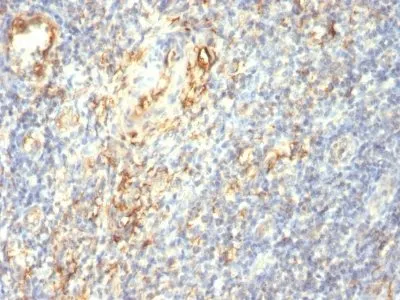
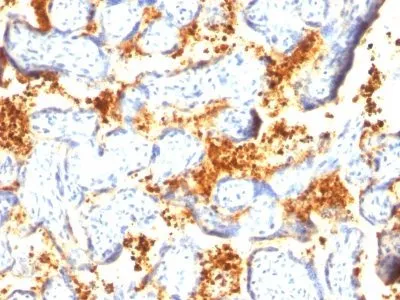
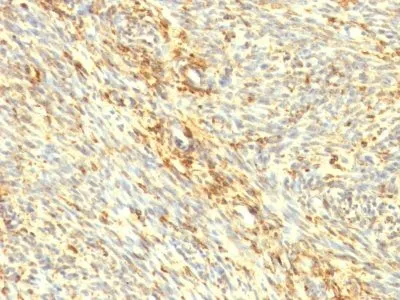
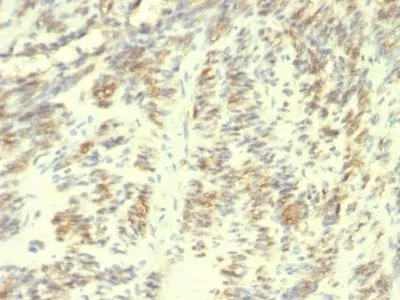




Anti-Transglutaminase II(TGM2/419), Biotin conjugate
Description:
Recognizes a 77-85 kDa protein, identified as cellular or tissue transglutaminase II (TGase II). Transglutaminases are enzymes that catalyze the crosslinking of proteins by epsilon gamma glutamyl lysine isopeptide bonds. While the primary structure of transglutaminases is not conserved, they all have the same amino acid sequence at their active sites and their activity is calcium-dependent. The protein encoded by this gene acts as a monomer, is induced by retinoic acid, and appears to be involved in apoptosis. Finally, the encoded protein is the autoantigen implicated in celiac disease. The identification of transglutaminase as the main antigen of endomysium antibodies allows a new diagnostic approach to celiac disease (CD), a genetic, immunologically mediated small bowel enteropathy that causes malabsorption. TGase II is implicated in programmed cell death, signal transduction, drug-resistance, cell growth, endocytosis, insulin secretion, cell adhesion, cataract formation, and wound healing.Primary antibodies are available purified, or with a selection of fluorescent CF® Dyes and other labels. CF® Dyes offer exceptional brightness and photostability. Note: Conjugates of blue fluorescent dyes like CF®405S and CF®405M are not recommended for detecting low abundance targets, because blue dyes have lower fluorescence and can give higher non-specific background than other dye colors.Synonyms:
Protein-glutamine gamma-glutamyltransferase 2; TG(C); TG2; TGase C; TGase H; TGase-2; TgaseII; TGC; TGM2; Tissue type transglutaminase; Transglutaminase 2 C polypeptide; Transglutaminase H; tTG; tTGasUNSPSC:
41116161UNSPSC Description:
Primary and secondary antibodies for multiple methodology immunostaining detection applicationGene Name:
TGM2Gene ID:
7052NCBI Gene ID:
517033UniProt:
P21980Cellular Locus:
Cytoplasmic|Secreted (extracellular)Host:
MouseSpecies Reactivity:
Human, Monkey, Mouse, Rabbit, RatImmunogen:
Recombinant full-length human TGM2 proteinTarget Antigen:
Transglutaminase-IIClonality:
MonoclonalIsotype:
IgG2a κClone:
TGM2/419Conjugation:
BiotinSource:
AnimalField of Research:
CytoskeletonPositive Control:
HUVEC Cells. Endothelial cells in placenta, liver, brain, or breast carcinoma. Smooth muscle cells of any origin (e.g. intestine)Concentration:
0.1 mg/mLBuffer:
PBS, 0.1% BSA, 0.05% azideMolecular Weight:
77-85 kDaAdditionnal Information:
For coating for ELISA, order Ab without BSA|Higher concentration may be required for direct detection using primary antibody conjugates than for indirect detection with secondary antibody|Optimal dilution and staining procedure for a specific application should be determined by user|Recommended starting concentrations for titration are 1-2 ug/mL for most applications, or 1 ug/million cells/100 uL for flow cytometryReferences & Citations:
Yamanishi, K., et al. 1991. Molecular cloning of human epidermal transglutaminase cDNA from keratinocytes in culture. Biochem. Biophys. Res. Commun. 175: 906-913. |Shipping Conditions:
Room temperatureStorage Conditions:
4°C; Stable at room temperature or 37°C (98°F) for 7 days.Shelf Life:
2 yearsCAS Number:
9007-83-4
DATASHEET Document
View DocumentMSDS Document
View Document